Speakers & Presentations

Keynote Speaker
Professor Abby Rosenberg
Chief, Pediatric Palliative Care, Dana-Farber Cancer Institute, Boston Children's Hospital, Harvard Medical School, U.S.A
Download presentation : The science and the art of resilience: 5 lessons from patients, communities, and society
Download presentation :Taboo topics: strategies for navigating tough conversations with adolescents and young adults with cancer
Workshop: Building a resilience toolkit: an interactive workshop
Biography
Abby R. Rosenberg, MD, MS, MA is the Chief of Pediatric Palliative Care at the Dana-Farber Cancer Institute and Boston Children’s Hospital, and Professor of Pediatrics at Harvard Medical School. She received her Medical Doctorate at Stanford University School of Medicine, and completed her Pediatric clinical training at Seattle Children’s Hospital and the University of Washington. She also holds advanced degrees in epidemiology and biomedical ethics. Dr. Rosenberg’s research focuses on developing and implementing programs to enhance resilience and improve quality of life among young people with serious illnesses and their families. She has published over 275 peer-reviewed manuscripts on pediatric and adolescent/young adult palliative care and spoken at over 100 venues worldwide. Dr. Rosenberg has received numerous honors, including awards in Faculty Mentoring, Lifetime Achievement, and Groundbreaking research, policy, and advocacy that has changed the course of child health in the US. She is recognized as one of the leading pediatric researchers in the US, with memberships in the American Society of Clinical Investigation and the American Pediatric Society.
Here, she will provide 2 platform presentations: one, describing the lessons she has learned about resilience from patients, families, and communities; and, two, describing how to navigate tough conversations with adolescent and young adult patients. She will also conduct her award-winning "resilience workshop" for those who are interested in learning practical skills for their own well-being.
Invited Speaker
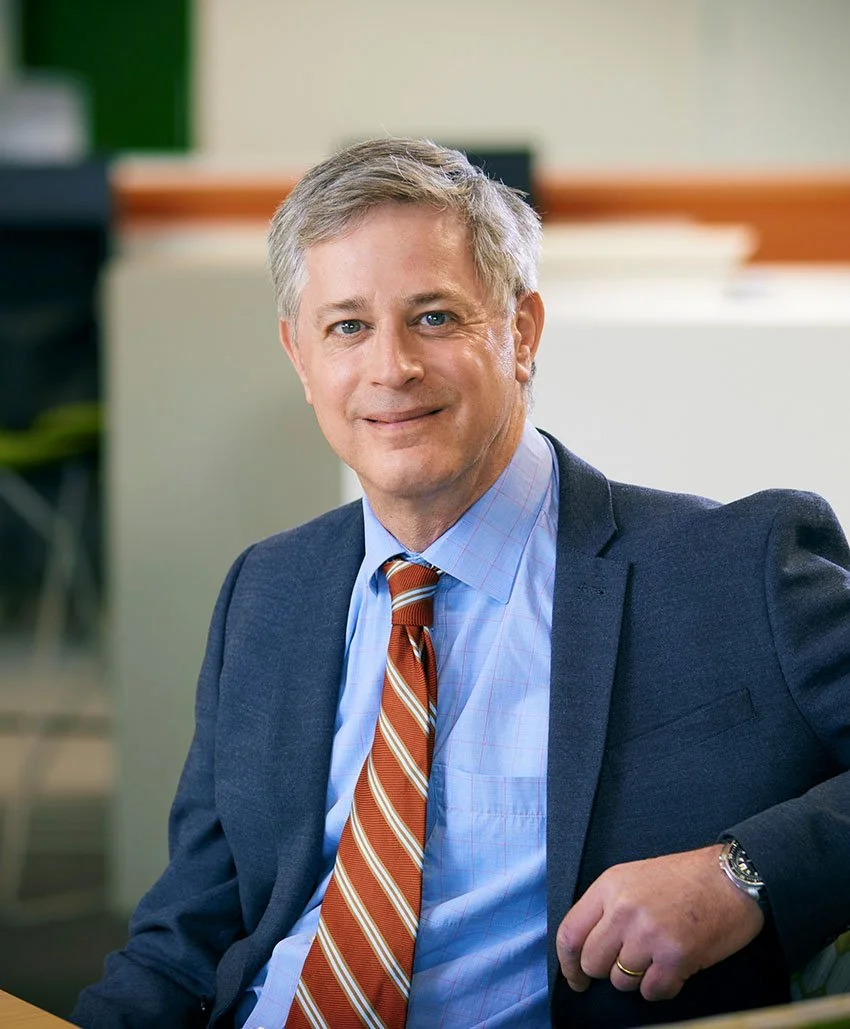
Professor Jonathan Koffman
Professor of Palliative Care and Director of the Wolfson Palliative Care Research Centre at Hull York Medical School.
Download presentation: Is palliative care inadvertently racist?
Biography
Professor Jonathan Koffman is a social scientist and palliative care researcher specialising in health inequalities, end-of-life care, and culturally responsive services. His work examines how ethnicity, deprivation, and structural disadvantage shape experiences of advanced illness, including access to hospice care, pain management, and bereavement support. Drawing on population-level data, qualitative research, and co-design with communities, he has challenged deficit models that frame inequity as a problem of awareness or culture, and instead locates responsibility within health and care systems. In this presentation, Professor Koffman explores how privilege, racism, and service design influence who benefits from palliative care. He introduces concepts of cultural humility and cultural safety, alongside asset-based and community-centred approaches, as practical responses to inequity. The talk argues for a shift from viewing palliative care as a privilege to recognising it as a human right delivered through just, accountable, and culturally safe systems.
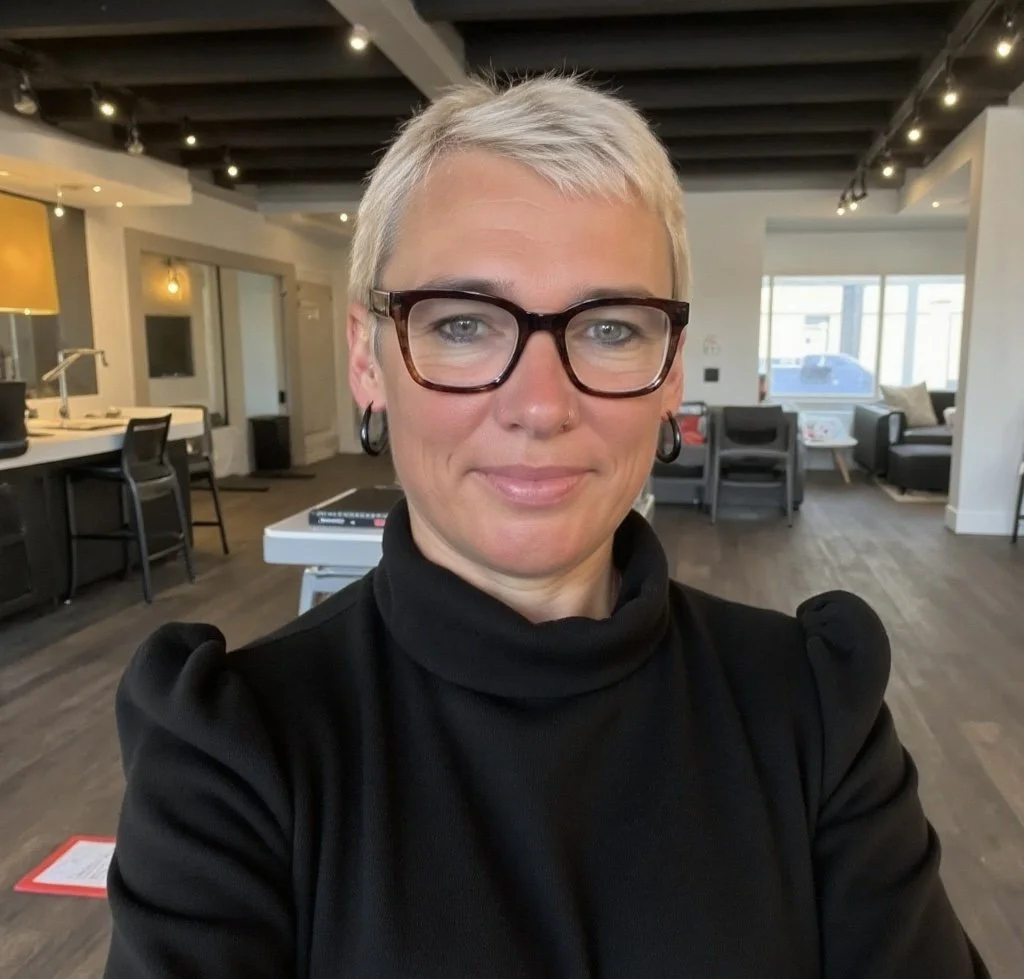
Tara Kerr-Elliott
Nurse Consultant at Helen and Douglas House
Download presentation: Care does not end at death: exploring the experiences of bereaved parents in the care of their child after death
Biography
Tara has been a children’s nurse for almost 30 years, including two decades in paediatric palliative care. She has held senior clinical leadership roles within children’s hospices and has led innovative services, including the development of a community-based palliative care team and simulation-based education at Great Ormond Street Hospital. She has just started in a new role as a Consultant Nurse at the world's first children's hospice, Helen and Douglas House in Oxford.
Tara was the first children's nurse to successfully gain an Clinical Doctoral Fellowship from the National Institute of Health Research. She is here today to present some preliminary findings from that study , which has explored the experiences of both parents and nurses in caring for a child after an expected death and which has a string focus on improving practice and reducing inequalities.
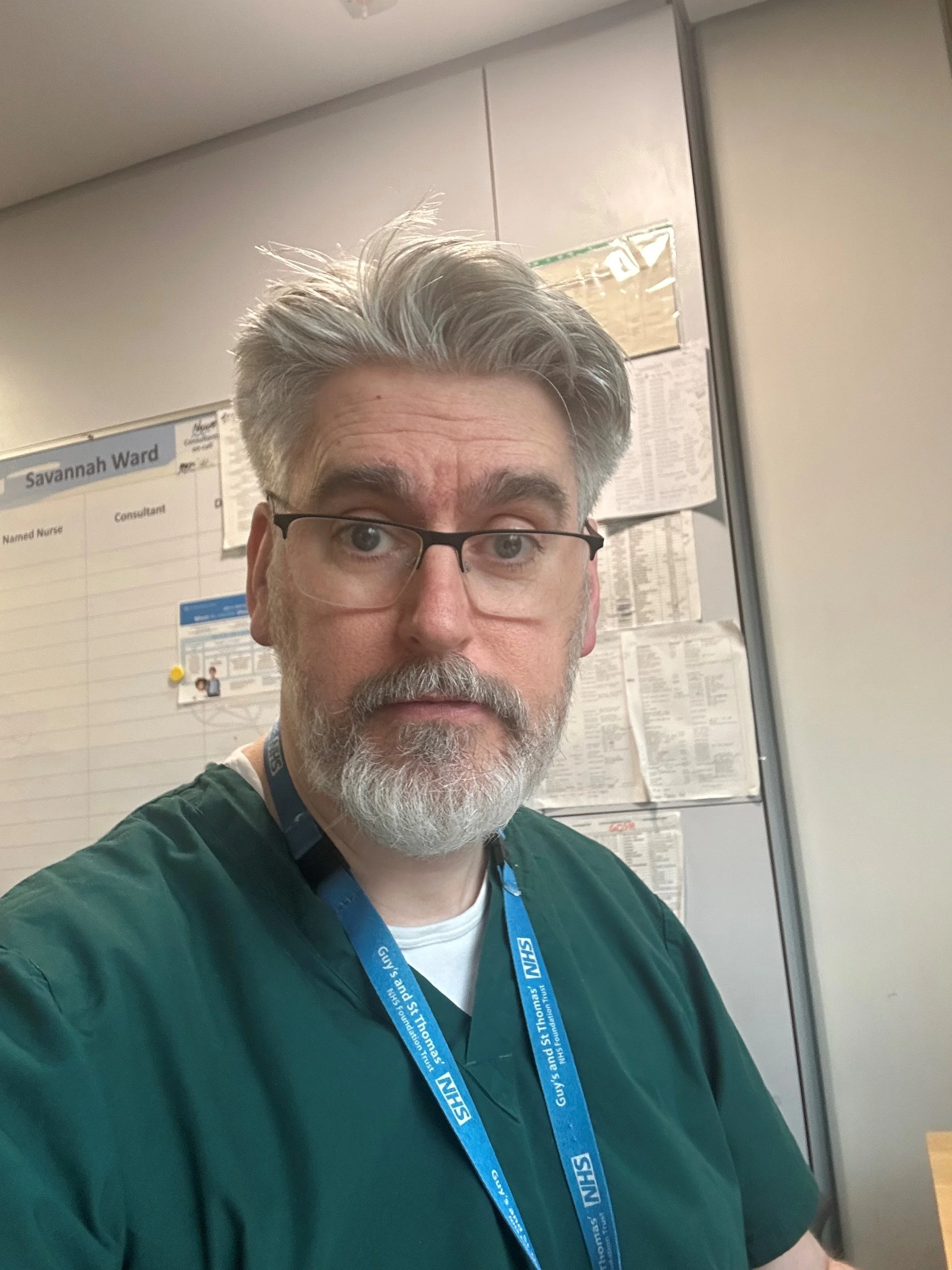
Dr Dan Lumsden
Consultant Paediatric Neurologist, Evelina London Children’s Hospital, Guy’s and St Thomas’ NHS Foundation Trust, UK
Download presentation: Recognising and managing movement disorders in children and young people with life-limiting conditions – how and why
Biography
Daniel is a Consultant Paediatric Neurologist at the Evelina London Children's Hospital, and Clinical Lead for the Complex Motor Disorder Service, one of the world leading Deep Brain Stimulation (DBS) services for children. Daniel is a research active clinician, combining a busy clinical work load with a research portfolio aimed at improving the quality of life for children with movement disorders. His work has focused on measuring outcomes following DBS, improving patient selection for this intervention, and recognition and management of movement disorders, with a particular focus on Status Dystonicus. Daniel is current Secretary of the British Paediatric Neurology Association, and chaired the Movement Disorder Specialist Interest group from 2019 to 2025. Movement disorders are a common cause of pain and distress for children with life limiting conditions. Different forms of Movement Disorder require different interventions, as there are no biomarkers that differentiate e.g. chorea from dystonia. Different types of movement disorder must be recognised by the team around the child, and Daniel's lecture will cover the fundamentals of an approach to improving recognition of movement disorders, with an outline of how this in turns guides management.
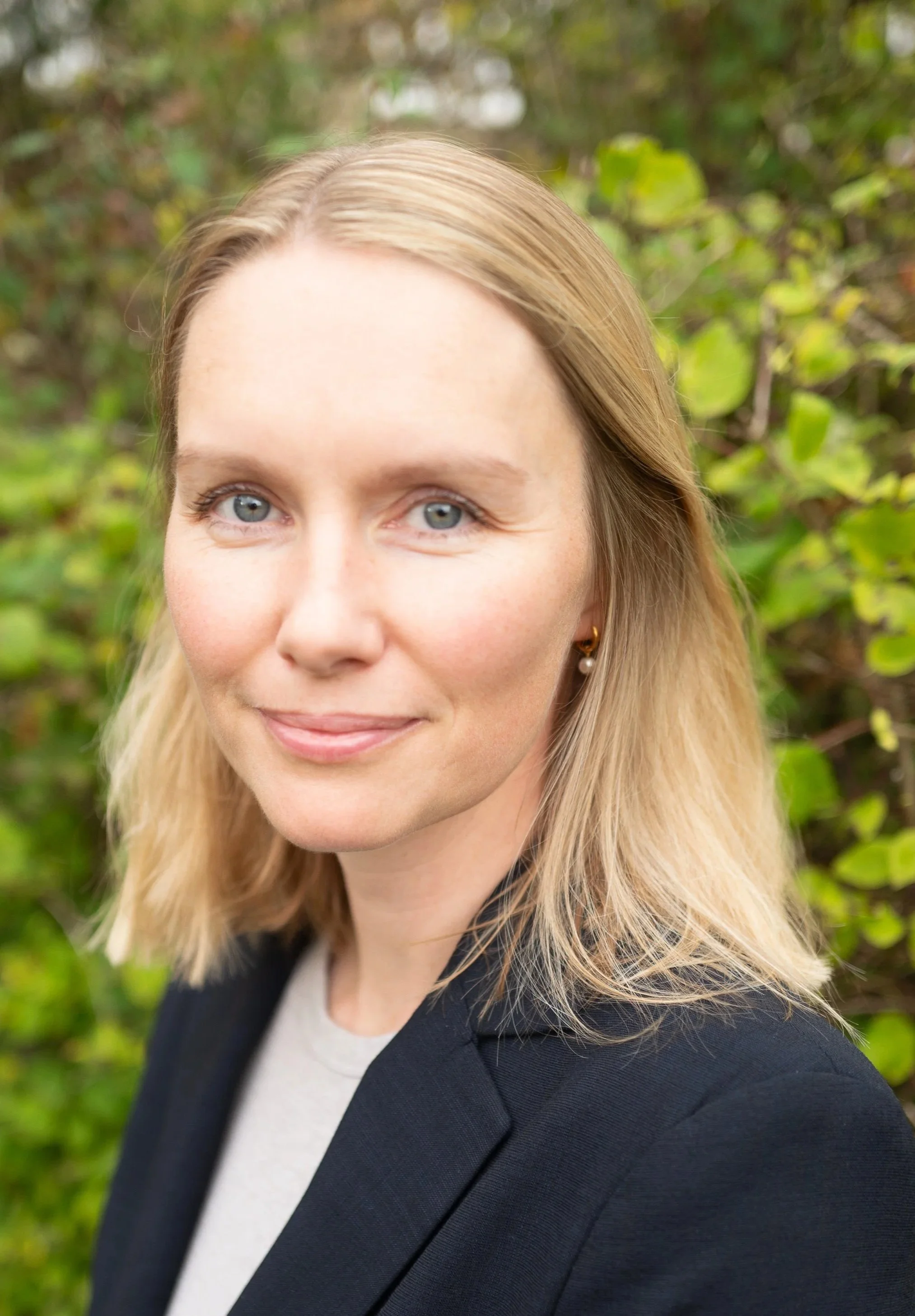
Dr. Sophie Bertaud
Consultant in Paediatric Palliative Care, Great Ormond Street Hospital for Children, London (UK)
Download presentation: Ethical considerations in perinatal palliative care: a relational approach
Biography
Sophie is a Consultant in Paediatric Palliative Medicine at Great Ormond Street Hospital and a Senior Clinical Research Fellow at the Ethox Centre and theUehiro Centre for Practical Ethics at the University of Oxford. She has a longstanding interest in medical ethics and completed her MA in Bioethics at NewYork University in 2012 with the support of a Fulbright scholarship. Her PhD focuses on ethical considerations in antenatal palliative care and is funded by aWellcome Trust Fellowship for Health Professionals in Humanities and Social Science.
Her talk will present preliminary findings from her PhD which explores some of the ethical challenges in perinatal palliative care and uses an ethics of careframework to understand the ethical dimensions of patient-caregiver relationships in this setting.
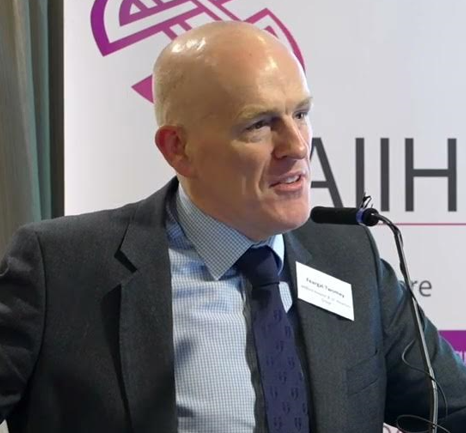
Dr Feargal Twomey
Consultant in Palliative Medicine, Milford Hospice & HSE Mid West, Adjunct Clinical Associate Professor, UL School of Medicine Clinical Lead, National Clinical Programme for Palliative Care, HSE/RCPI
Download presentation: Implementation of the ‘Bee Wee’ report – tús maith formhór na h-oibre
Biography
Dr. Feargal Twomey is a Consultant in Palliative Medicine at Milford Hospice and the UL Hospitals Group, HSE Mid West, Adjunct Clinical Associate Professor,UL School of Medicine, and the National Clinical Lead for Palliative Care in Ireland.
Dr Twomey’s interests include the management of complex pain and other symptoms, using outcome measures to drive quality improvement in palliativecare, clinical ethics, decision-making capacity, Future Care Planning in Healthcare and DNACPR.
In his presentation Dr Twomey will outline the structure and the outputs of the Implementation of the Operational and governance framework for childrenwith life-limiting conditions (HSE, 2020), focussing on what has been delivered and what must continue to be done so that children and young adults whoneed this care can be certain that they will receive it, no matter where they live in Ireland.

Dr David Graham
Consultant Paediatrician, Northern Ireland Regional Paediatric Palliative Care Network
Download presentation: Northern Ireland paediatric palliative care updates
Biography
Dr David Graham is the current Chairperson for the regional NI Paediatric Palliative care network (since 2019). His background is as a Consultant Paediatrician with an interest in Paediatric Palliative Care working in Southern Health & Social Care trust.
He will be giving an update on the current progress of work of the network in Northern Ireland. He will be highlighting the current priorities and goals for Paediatric Palliative care in NI and also briefly discussing some of the challenges.
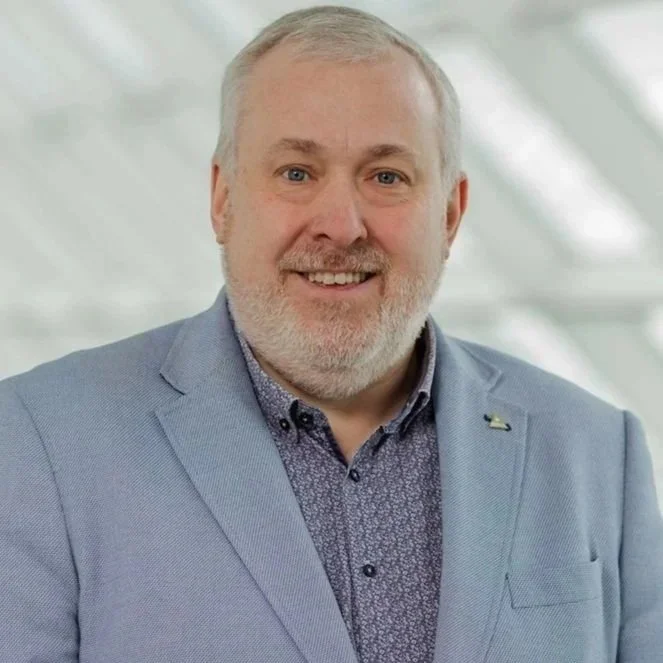
Rev. Daniel Caldwell
Lead Chaplain and Lecturer in Palliative and End of Life Care, Atlantic Technological University
Download presentation: Pursuing cultural humility: confronting bias and creating meaningful engagement
Biography
Rev. Daniel Caldwell is the Lead Chaplain in the Atlantic Technological University and a lecturer in Palliative and End of Life Care. He is co-chair of the All-Ireland Institute of Hospice and Palliative Care (AIIHPC) community of practice for Chaplaincy and Pastoral Care and a member of AIIHPC Psychological, Social and Spiritual Care Special Interest Group.
Daniel’s teaching and research is focussed on the impact of culture, ethnicity, religion and spirituality in the delivery of quality palliative and end of life care. Given the changing social landscape in Ireland his work focusses on how we can better deliver ‘spiritual care’ to patients and families from all faith backgrounds and those who have none.
Oral Abstract Presentation Downloads
Parents’ experiences of healthcare professionals’ discussions of loss and grief following severe neurological impairment diagnosis
Ms Elaine Brennan, University College Dublin
A narrative review of education and training in paediatric palliative care for medical professionals
Dr Katie Flinn, CHI
Preferred place of death – giving patient's autonomy
Dr Anne Haddick, Wales
The role of media in paediatric palliative care: a review
Dr Doireann Pereira, CHI at Temple Street
Compassionate extubation in the neonatal intensive care unit: retrospective review of practices, experiences and attitudes
Dr Niamh Conlon, Children’s Health Ireland (CHI)
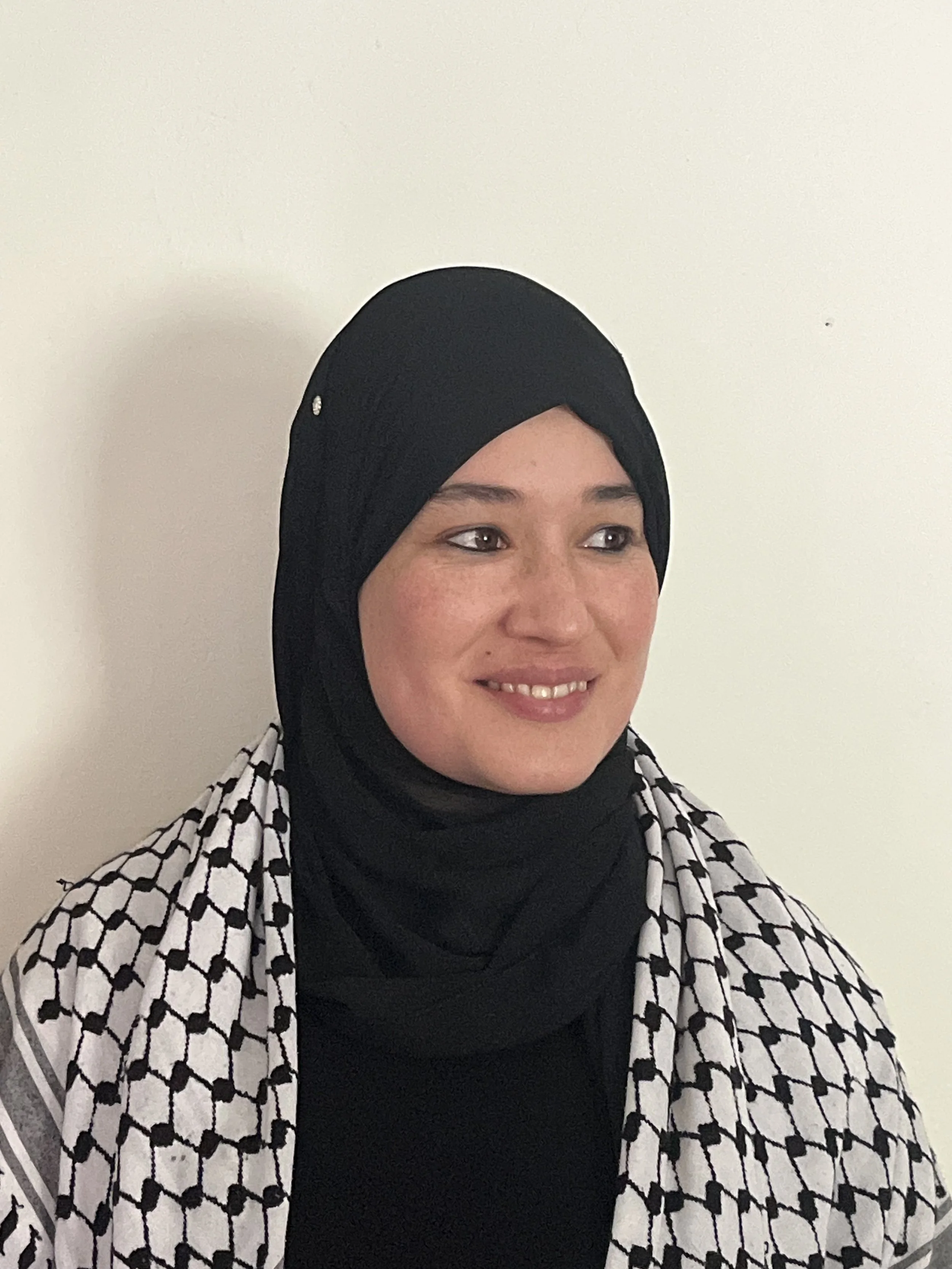
Ms Amilah Ali
Community Worker in Islamic End of Life Care and Funeral Support
Title of presentation: Islamic end-of-life support for children and their loved ones
Biography
Amilah Ali is a healthcare and community professional based in Dublin, with academic training in laboratory science, biochemistry, and biomedical diagnostics. She has over a decade of experience working within faith-based and community settings. Amilah serves as a Non-Executive Board Member of the Irish Hospice Foundation and has extensive hands-on experience supporting families at end of life, including bereavement care, youth support, and Islamic funeral rites.
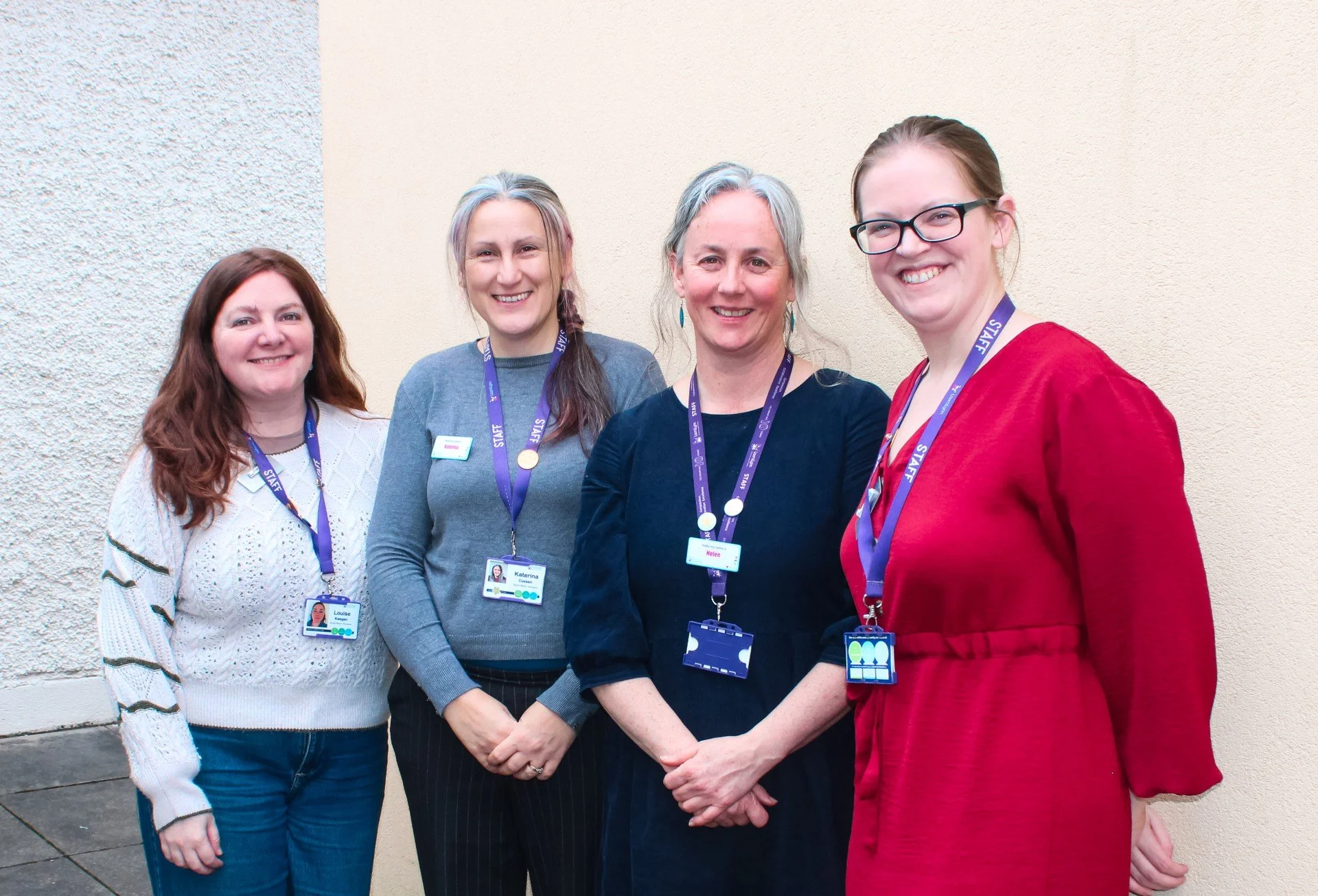
The LauraLynn Music Therapy team - Helen Arthur, Katerina Cussen, Louise Keegan and Lisa McCauliffe
Senior Music Therapists, LauraLynn Children’s Hospice
Title of presentation: Music therapy in children’s palliative care: an experiential exploration of down-regulation and rest
The LauraLynn Music Therapy team offers an insight into music therapy practice with children and families in children’s palliative care. Through a live musical experience, conference attendees are invited to explore the potential for down-regulation and restfulness.
A Multidisciplinary Conference funded by